ICTE Blog – Knowledge, Skills & Career Insights
Learn. Develop. Grow.
Welcome to the ICTE Blog, your source for practical insights, professional guidance, course information, industry knowledge, and career development resources.
At International College of Technical Education (ICTE), we believe that professional development goes beyond completing a course. Staying informed about industry trends, workplace requirements, technical skills, professional certifications, and career opportunities can help Learners make better decisions about their professional development.
Our blog brings together useful and informative content covering a wide range of subjects, including Occupational Health and Safety, Quality Control, Information Technology, Engineering, Management, ISO standards, technical training, professional certifications, and workplace skills.
Whether you are exploring a new career path, looking for a professional course, developing technical skills, or simply want to understand the latest developments in your industry, our articles are designed to provide practical and accessible information.
Explore Our Latest Articles
Discover our latest articles, guides, course insights, industry updates, and professional development resources.
Browse our blog to find information that can help you understand different training programmes, explore career pathways, develop valuable workplace skills, and stay informed about changing industry requirements.
What You Can Find on Our Blog
Course Guides & Information
Explore detailed guides about professional, technical, vocational, and short courses. Learn about course content, study units, entry requirements, learning outcomes, benefits, and potential career opportunities.
Career Development
Discover practical guidance for building professional skills, improving employability, preparing for workplace responsibilities, and planning your career development.
Occupational Health & Safety
Learn about workplace safety, risk management, occupational health, fire safety, emergency preparedness, safety management, and professional health and safety training.
Information Technology
Stay informed about IT courses, digital skills, computer training, software development, networking, graphic design, video editing, and other technology-related learning opportunities.
Engineering & Technical Skills
Explore informative resources covering engineering disciplines, technical roles, quality control, inspection, construction-related skills, and specialised technical training.
Quality Control & Quality Management
Learn more about quality assurance, quality control, inspection, management systems, auditing, and professional development within quality-focused industries.
Management & Professional Development
Explore articles about leadership, business management, project management, communication, workplace effectiveness, and professional skills.
ISO & Lead Auditor Training
Understand ISO standards, management systems, auditing principles, certification-related training, and the importance of quality and compliance in modern organisations.
Why Read the ICTE Blog?
Our blog is created to make professional and technical education easier to understand.
You can use our resources to:
- Understand different professional and technical courses
- Explore course requirements and study areas
- Learn about industry-specific skills
- Discover career-related information
- Improve your professional knowledge
- Understand technical concepts in simple language
- Stay informed about industry developments
- Compare different training options
- Prepare for professional development
- Make more informed decisions about your learning goals
Practical Knowledge for Today’s Professional World
The workplace is constantly changing. New technologies, industry standards, workplace practices, and professional requirements continue to create new opportunities for skilled individuals.
Our blog provides educational and informative content designed around these changing needs. From technical training and workplace safety to IT, engineering, management, quality control, and professional certifications, our articles aim to connect learning with practical workplace applications.
Find the Right Information for Your Career
Not sure which course or professional training area is right for you?
Start by exploring our articles. Our course guides and informative resources can help you understand different fields, identify relevant skills, and learn more about the training opportunities available through ICTE.
You can also explore our course categories to find programmes aligned with your professional interests and career goals.
Featured Topics
Explore some of the key topics covered on the ICTE Blog:
- Occupational Health & Safety
- Fire Safety
- Quality Control & Quality Assurance
- Engineering
- Information Technology
- Computer Courses
- Graphic Design
- Management
- Business Skills
- ISO Standards
- Lead Auditor Training
- Technical Training
- Professional Certifications
- Career Development
- Workplace Skills
- Vocational Training
Stay Connected With ICTE
Keep exploring, keep learning, and keep developing your professional skills with International College of Technical Education.
Read our latest articles, explore our training programmes, and discover practical knowledge designed to support your professional development.
Explore. Learn. Develop. Succeed.
Explore our latest blog articles and discover useful information for your professional journey.
-

OSHA 10-Hour vs 30-Hour Course: Differences, Topics and Who Should Choose
The main difference between the OSHA 10-Hour vs 30-Hour course is the depth of training and the intended audience. The 10-hour course is designed primarily for entry-level workers who need basic workplace hazard awareness, while the 30-hour course provides broader training for supervisors and workers with safety responsibilities. Both belong to the US Occupational Safety…
-
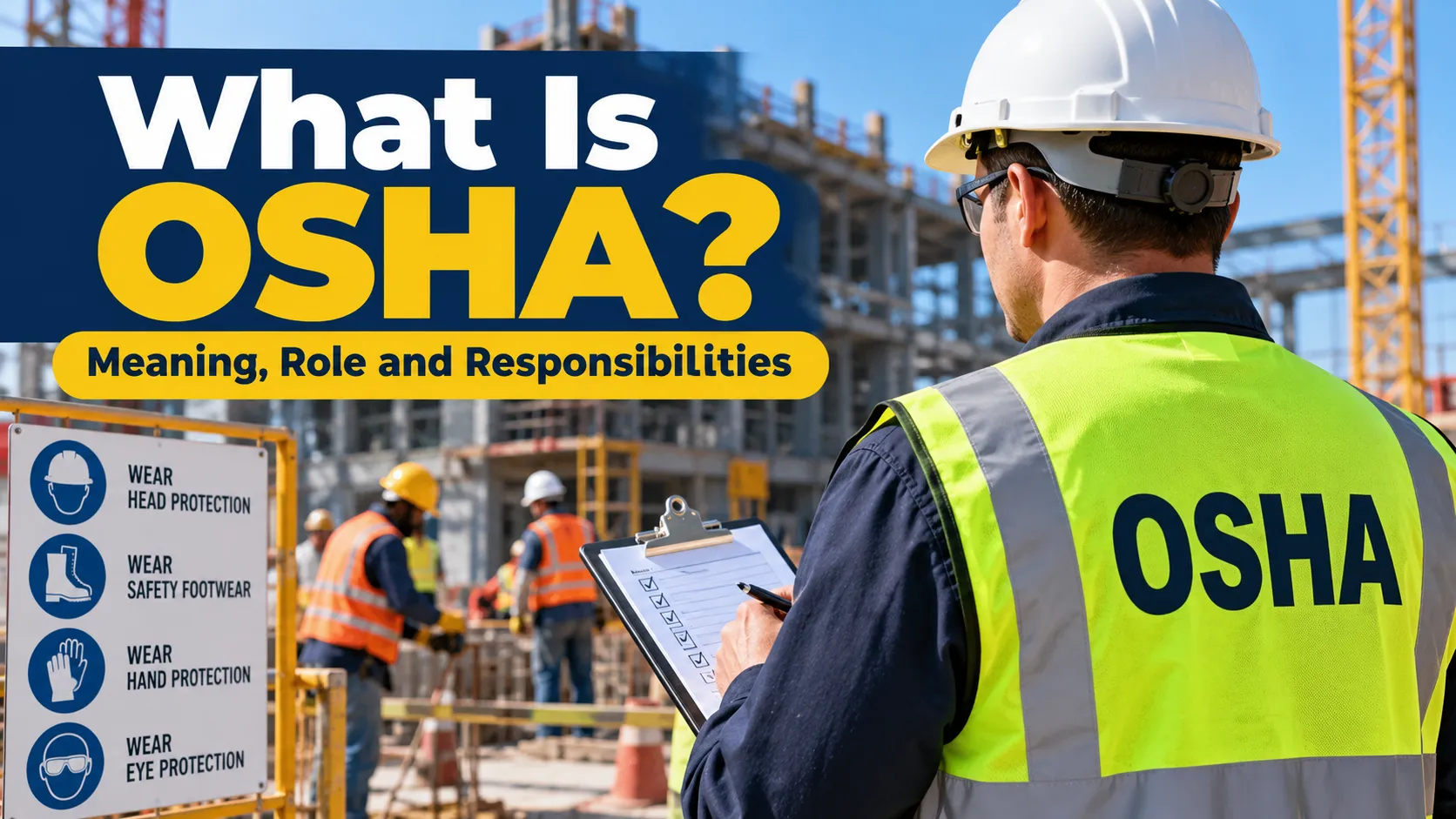
What is OSHA? Meaning, Role and Workplace Safety Responsibilities
What is OSHA? OSHA stands for the Occupational Safety and Health Administration, a United States government agency responsible for helping ensure safe and healthful working conditions for covered workers. It establishes and enforces applicable workplace safety and health standards, provides education and assistance, and protects workers from unlawful retaliation when exercising certain legal rights. Understanding…
-
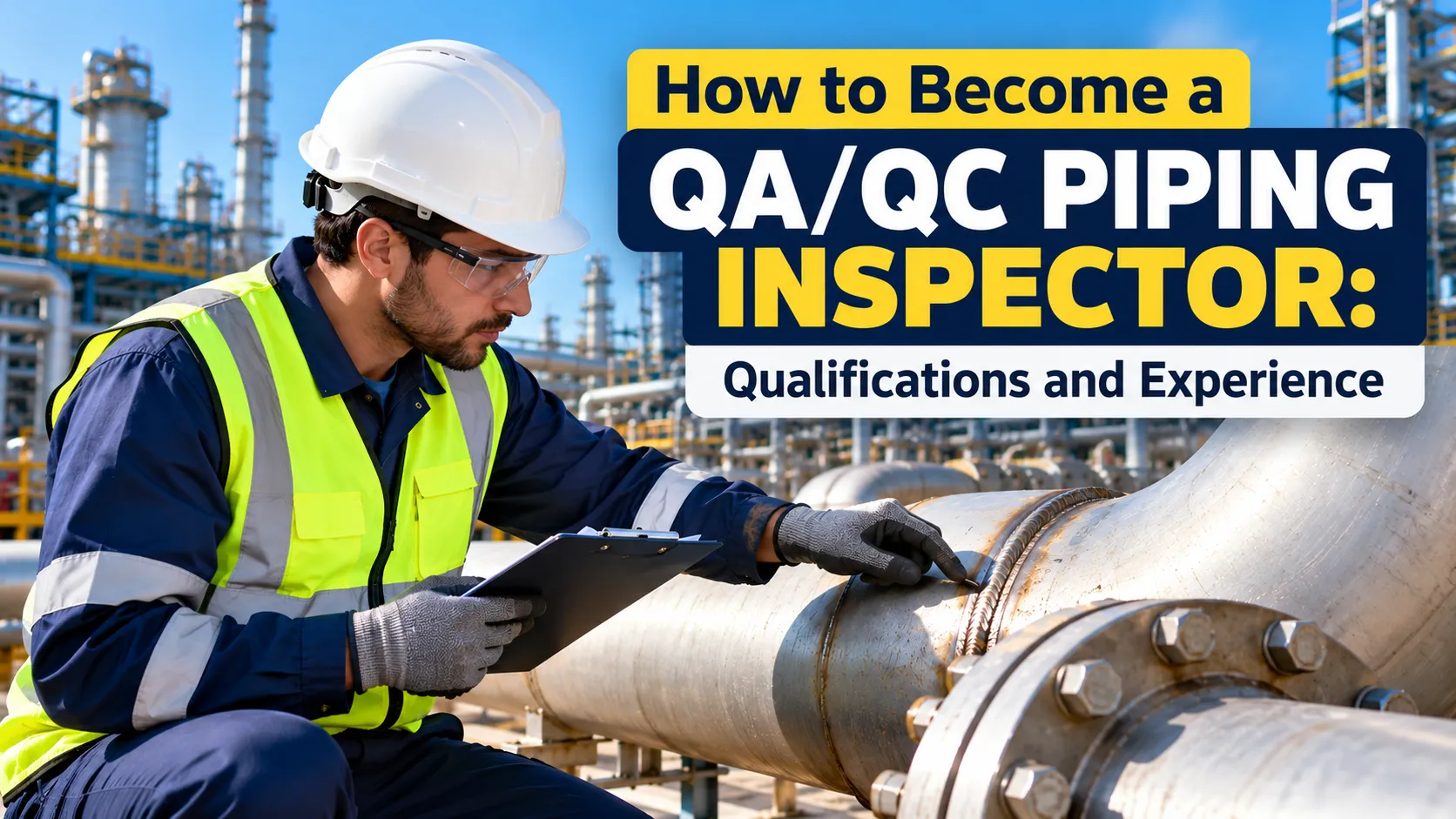
How to Become a QA/QC Piping Inspector: Qualifications and Experience
A Quality Assurance and Quality Control (QA/QC) Piping Inspector plays an important role in ensuring that industrial piping systems meet approved drawings, project specifications, applicable codes, and quality requirements. These professionals help verify that piping materials, welding activities, installation work, inspections, and pressure tests comply with the required standards before systems are accepted for operation.…
-
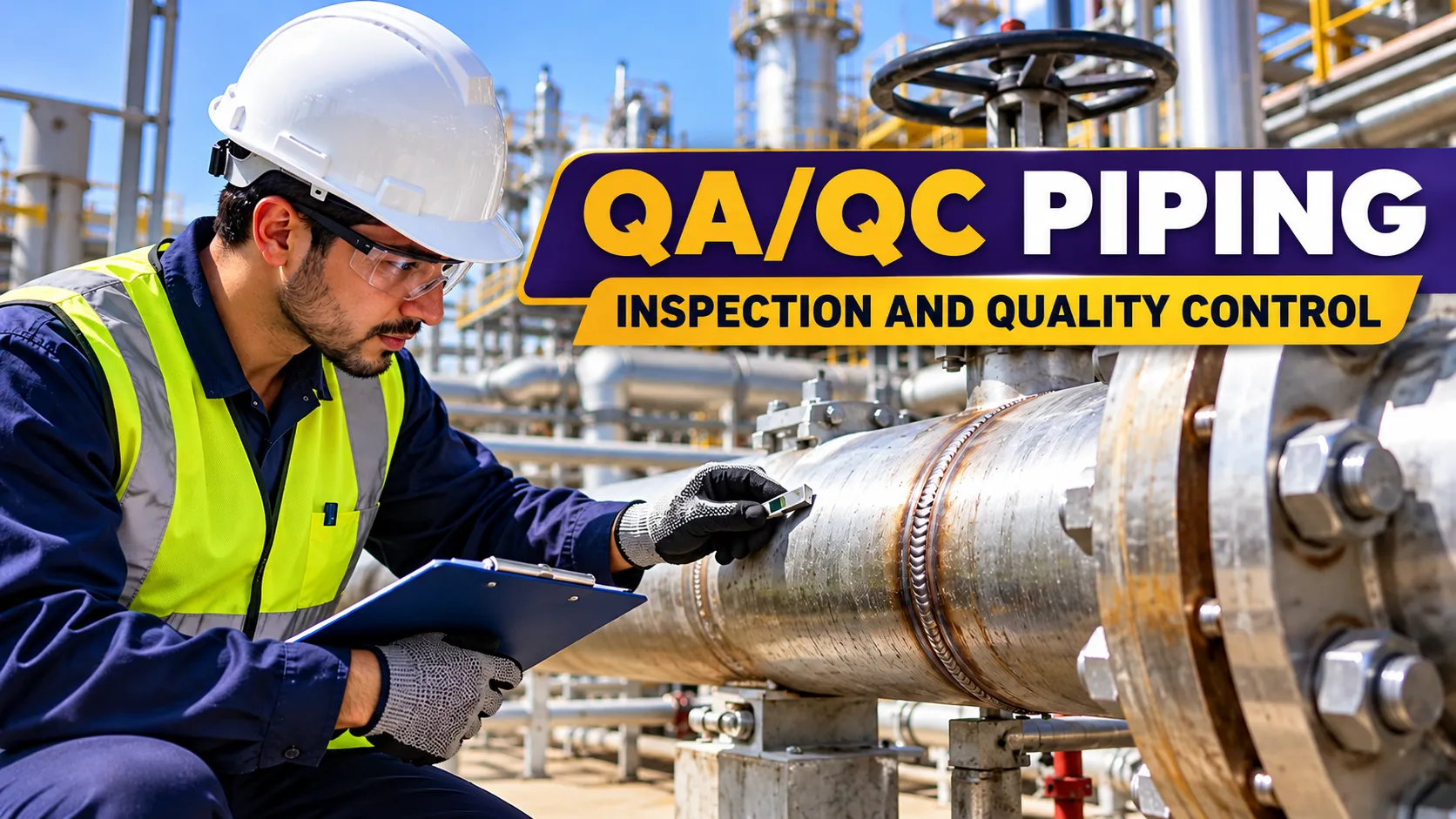
QA/QC Piping: Complete Guide to Piping Inspection, Quality Control, Skills and Career Opportunities
QA/QC Piping is an essential part of industrial construction, oil and gas projects, petrochemical plants, power generation facilities and manufacturing operations. It helps ensure that piping systems are installed, inspected and tested according to approved engineering drawings, project specifications, applicable codes and quality requirements. A piping system may transport water, steam, fuel, chemicals, compressed air…
-
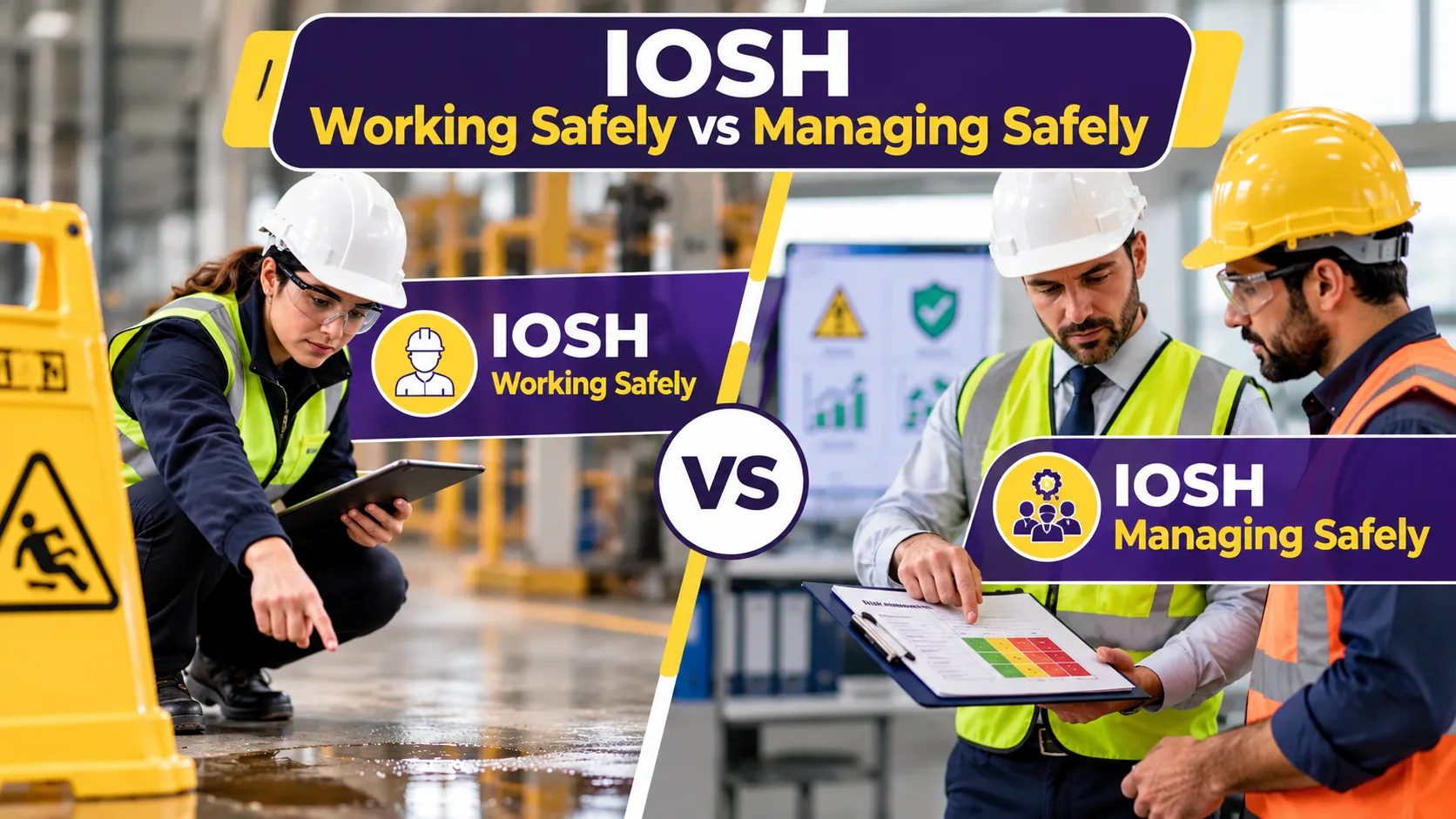
IOSH Managing Safely vs Working Safely: Key Differences Explained
Choosing between IOSH Working Safely and IOSH Managing Safely depends on a person’s workplace responsibilities, professional objectives and existing safety knowledge. Although both courses are designed to improve occupational health and safety, they serve different purposes and develop different capabilities. IOSH Working Safely is designed for employees who need to recognise workplace hazards, understand risks…
-
What is IOSH? Complete Guide to IOSH Courses, Benefits and Careers
IOSH is a professional body dedicated to improving occupational safety and health. Its training courses and professional qualifications help employees, supervisors, managers and aspiring safety professionals develop the knowledge needed to identify workplace hazards, assess risks and promote safer working practices. However, IOSH is not a single course or certificate. Different programmes serve different purposes,…
-
QA/QC in Oil and Gas Mechanical Engineering: Roles and Responsibilities
Quality Assurance and Quality Control (QA/QC) in oil and gas mechanical engineering ensure that mechanical equipment, piping systems, pipelines, and pressure vessels meet approved engineering specifications, industry standards, and project quality requirements. Quality Assurance focuses on preventing defects through planned procedures, while Quality Control involves inspections, testing, and verification. QA/QC is essential across upstream, midstream,…
-
How to Become a QA/QC Mechanical Engineer: Skills and Career Guide
A QA/QC Mechanical Engineer ensures that mechanical materials, fabrication, welding, installation, and testing meet required quality standards, approved drawings, and project specifications. These professionals play an essential role in construction, manufacturing, oil and gas, and power generation. Becoming a QA/QC Mechanical Engineer requires relevant technical education, inspection skills, knowledge of quality standards, and practical experience.…
-
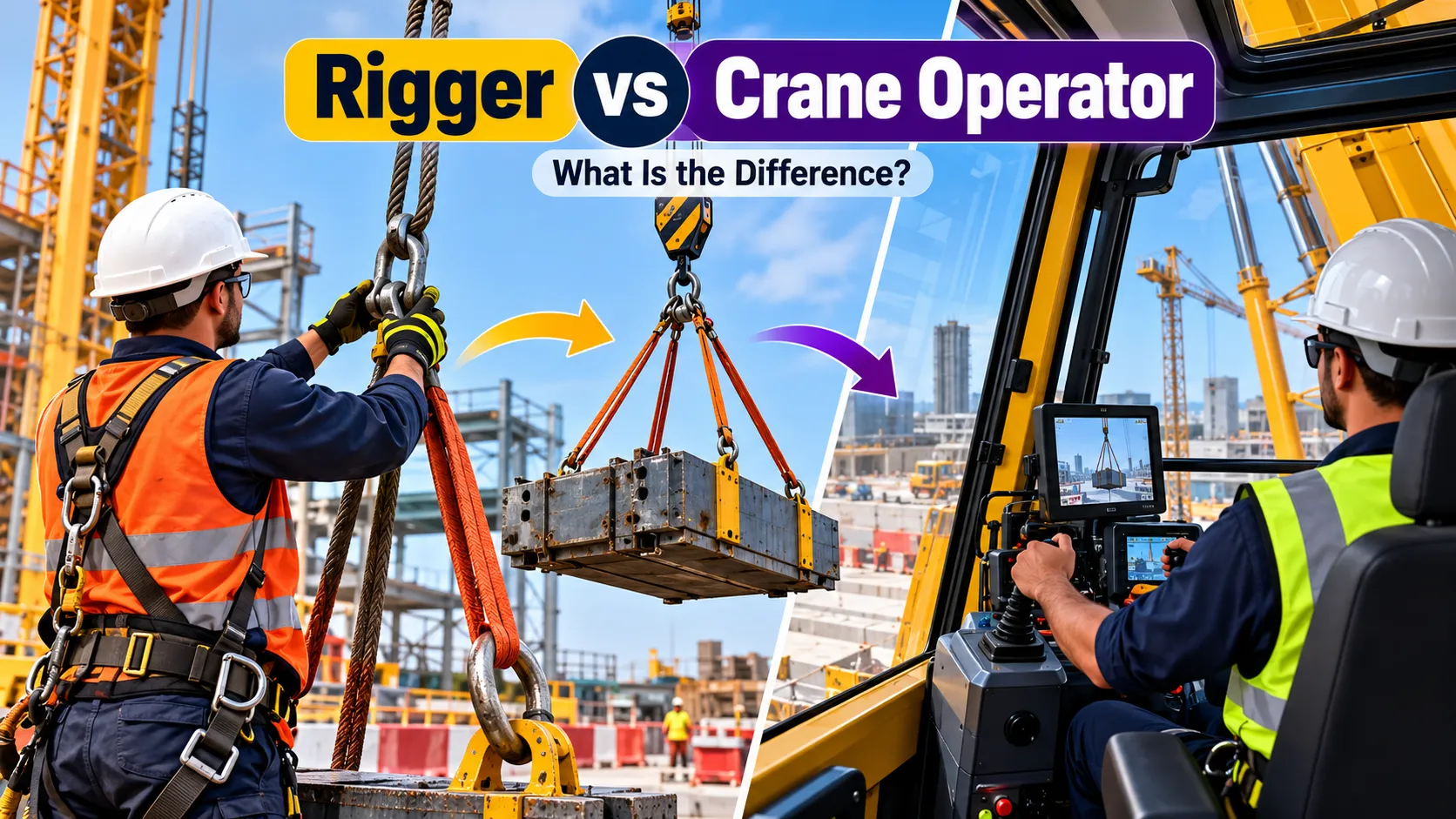
Rigger vs Crane Operator: What is the Difference?
A rigger and crane operator are both important members of a lifting team, but each has a distinct role. The rigger focuses on preparing, attaching, securing and controlling loads using appropriate lifting accessories and rigging techniques. The crane operator operates the crane and controls its movements to lift, move and position loads safely. This includes…
-
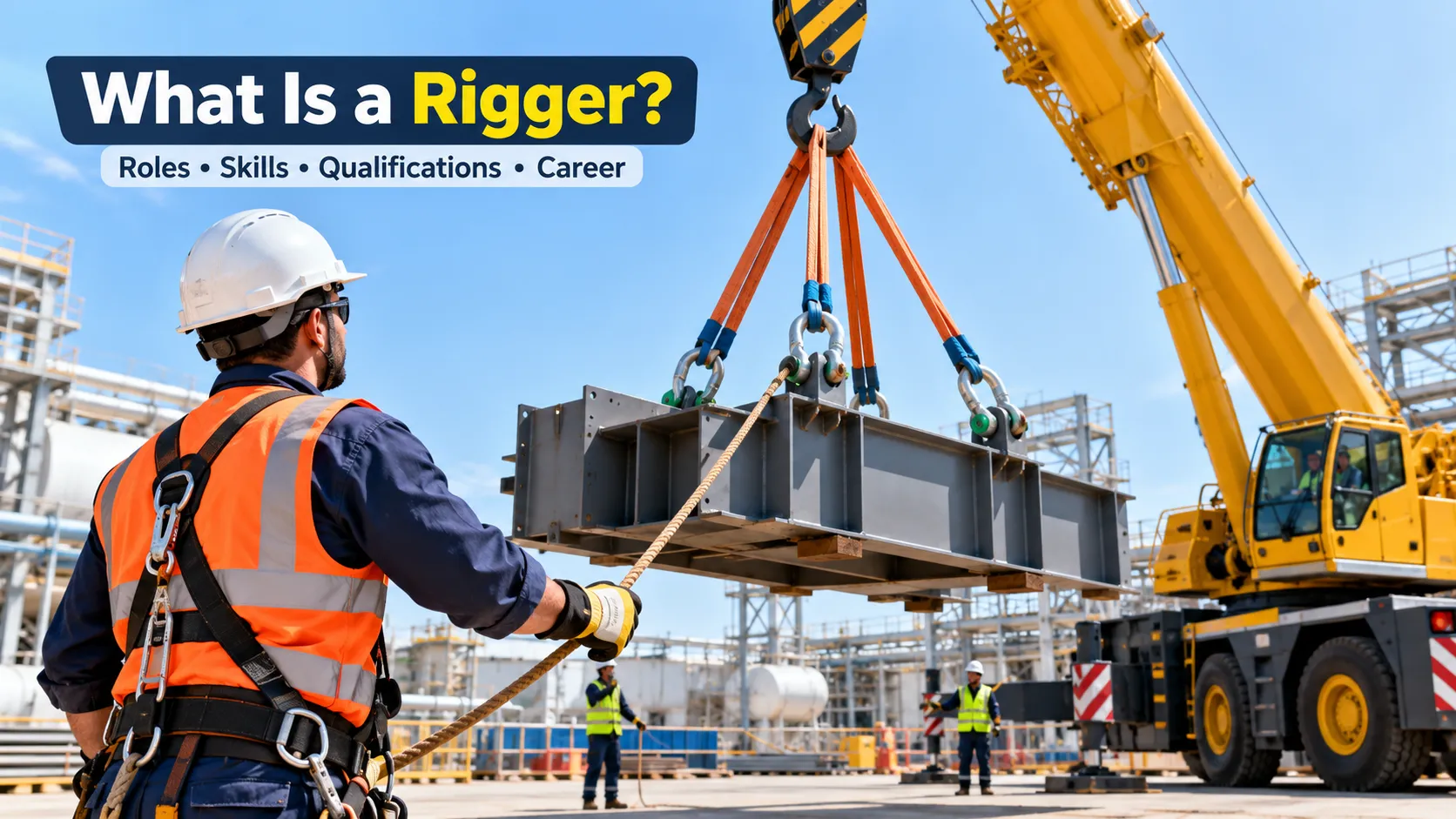
What is a Rigger? Roles, Responsibilities, Skills, Qualifications and Career Guide
A rigger is a trained lifting and load-handling professional who prepares, secures, moves, guides and positions heavy materials, machinery and structural components using cranes, hoists, slings, shackles, wire ropes, chains and other lifting equipment. Riggers play a critical role in construction, manufacturing, oil and gas, mining, marine operations, renewable energy, infrastructure, industrial maintenance and major…