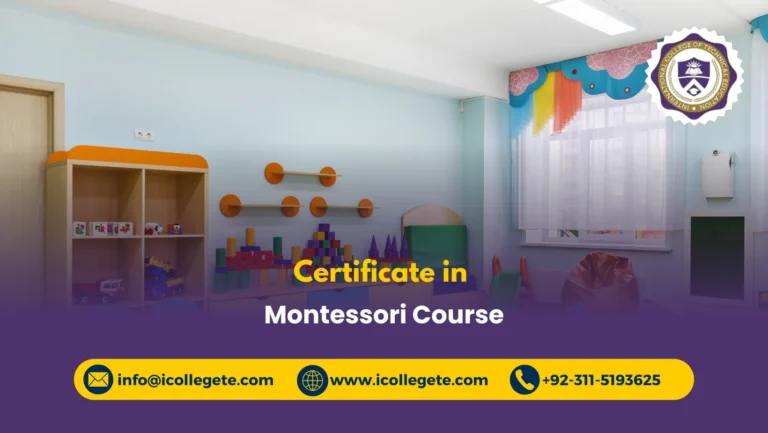
Step into the rewarding world of early education with the Early Childhood Course in Rawalpindi, a professionally designed training program for individuals passionate about nurturing young minds. Early Childhood Course in Rawalpindi provides a comprehensive foundation in early childhood development, equipping learners with the knowledge and practical skills needed to support children’s growth during their most formative years.
Ideal for aspiring educators, caregivers, and teaching assistants, the Early Childhood Course in Rawalpindi focuses on the physical, emotional, cognitive, and social development of children from birth to age eight. Participants will explore age-appropriate teaching strategies, classroom management techniques, and the importance of play-based learning. Through interactive sessions and hands-on activities, learners gain the confidence to create safe, inclusive, and engaging learning environments.
Delivered in Rawalpindi, Early Childhood Course in Rawalpindi is tailored to meet both local and international standards in early childhood education. Whether you’re entering the education sector for the first time or seeking to formalize your experience, the Early Childhood Course offers a clear pathway to employment in preschools, nurseries, daycare centers, and community-based programs. Early Childhood Course in Rawalpindi also serves as a stepping stone for further specialization in child development and early learning methodologies.
By the end of the Early Childhood Course in Rawalpindi, participants will be able to plan and implement developmentally appropriate activities, manage classroom routines, and foster positive relationships with children and families. Enroll now to begin your journey as a skilled early childhood educator.
Course Overview
The Early Childhood Course in Rawalpindi is a structured, entry-level training program designed to prepare learners for careers in early childhood education. As a course-level qualification, Early Childhood Course in Rawalpindi introduces participants to the essential principles of child development and early learning, making it ideal for those seeking foundational knowledge and practical teaching skills.
Organized into six focused study units, the Early Childhood Course in Rawalpindi covers key areas such as child psychology, learning through play, classroom setup, health and safety, communication techniques, and activity planning. Each unit is designed to build core competencies through a blend of theory and hands-on practice, ensuring learners are equipped to support children’s developmental needs in real-world settings.
What sets Early Childhood Course in Rawalpindi apart is its relevance to both local and global early education standards. Delivered in Rawalpindi, the program offers accessible training for school leavers, teaching assistants, and career changers. Early Childhood Course in Rawalpindi emphasizes empathy, creativity, and professionalism—qualities essential for working with young children. The Early Childhood Course not only prepares learners for immediate employment but also lays the groundwork for future growth in the education sector. With its practical approach and career-focused content, Early Childhood Course in Rawalpindi is a valuable starting point for anyone committed to making a positive impact in the lives of children.
Course Study Units
- Foundations of Early Childhood Development
- Learning Through Play and Creative Expression
- Health, Nutrition, and Safety in Early Years
- Communication and Language Development
- Classroom Setup and Behavior Management
- Planning and Evaluating Early Learning Activities
Learning Outcomes for this course
Understanding Child Development Principles
- Explain the stages of physical, emotional, and cognitive development in early childhood
- Recognize developmental milestones from birth to age eight
- Understand the impact of environment and relationships on child growth
- Identify age-appropriate learning needs and behaviors
- Apply developmental theories to classroom practice
- Support holistic development through structured activities
- Promote positive self-image and emotional resilience in children
Promoting Learning Through Play
- Design play-based activities that support learning objectives
- Use creative materials to encourage exploration and imagination
- Facilitate group and individual play sessions effectively
- Understand the role of play in social and emotional development
- Integrate play into daily routines and lesson plans
- Observe and assess learning outcomes through play
- Encourage problem-solving and decision-making through interactive games
Ensuring Health, Safety, and Well-being
- Implement hygiene and nutrition practices in early learning settings
- Identify common health concerns in young children
- Maintain a safe and secure classroom environment
- Respond appropriately to minor injuries and emergencies
- Promote healthy habits and routines among children
- Understand child protection policies and reporting procedures
- Support emotional well-being through nurturing interactions
Supporting Language and Communication Skills
- Encourage verbal and non-verbal communication in young learners
- Use storytelling, songs, and rhymes to build language skills
- Support early literacy through reading and writing activities
- Recognize speech and language development stages
- Facilitate peer interaction and social communication
- Adapt communication strategies for diverse learners
- Promote active listening and expressive language
Managing Classroom Environment and Behavior
- Set up learning spaces that support engagement and independence
- Establish routines and rules for classroom behavior
- Use positive reinforcement to guide behavior
- Address challenging behaviors with appropriate strategies
- Foster respect, cooperation, and empathy among children
- Maintain consistency in classroom management practices
- Create a calm and inclusive learning atmosphere
Planning and Evaluating Learning Activities
- Develop lesson plans based on developmental goals
- Align activities with curriculum standards and child interests
- Use observation to assess learning progress
- Modify activities to meet individual learning needs
- Document and reflect on teaching practices
- Collaborate with parents and colleagues for effective planning
- Evaluate the impact of activities on child development
Entry Requirements for this course
- Age Requirement Applicants must be at least 18 years old. This ensures maturity and readiness to engage with the responsibilities of early childhood education and caregiving.
- Educational Qualification A minimum of secondary school education (Matric or equivalent) is required. Basic literacy and communication skills are essential for understanding course content and interacting with children effectively.
- Work Experience No prior teaching experience is necessary. However, individuals with informal experience in childcare, tutoring, or volunteer work will find it beneficial during practical training.
- Language Proficiency Applicants should have a basic understanding of Urdu or English. This is important for following course materials, participating in discussions, and communicating with children and parents.
- Personal Attributes Candidates must demonstrate patience, empathy, and a genuine interest in child development. These qualities are vital for creating a nurturing and supportive learning environment.
- Health and Physical Fitness Participants should be in good physical and mental health. The role involves active engagement with children, classroom setup, and participation in hands-on activities.
- Identification Documents A valid CNIC or passport is required for registration. Additional documents such as educational certificates may be requested during the enrollment process.
- Commitment to Learning Applicants must be willing to attend all sessions, complete assignments, and participate in practical exercises. A strong commitment to professional growth and child-focused learning is expected.
Course Benefits of this course
Strong Foundation in Child Development
- Understand the physical, emotional, and cognitive growth of children from birth to age eight
- Learn how to support developmental milestones through structured activities
- Gain insight into the psychological needs of young learners
- Build confidence in identifying age-appropriate learning strategies
- Develop the ability to observe and respond to individual learning styles
- Apply child development theories in practical classroom settings
- Promote holistic growth through balanced educational approaches
- Support inclusive learning for children with diverse needs
- Strengthen your role as a nurturing and informed educator
Practical Teaching and Classroom Skills
- Learn to plan and deliver engaging early learning activities
- Manage classroom routines and transitions effectively
- Use storytelling, music, and play to enhance learning
- Create a safe and stimulating classroom environment
- Apply positive behavior management techniques
- Encourage group participation and cooperative learning
- Support language, literacy, and numeracy development
- Adapt teaching methods to suit different learning styles
- Build strong classroom organization and time management skills
Career-Ready Certification
- Earn a recognized credential in early childhood education
- Qualify for teaching roles in preschools, nurseries, and daycare centers
- Strengthen your resume with practical and theoretical training
- Increase employability in both local and international education sectors
- Gain confidence to work in structured early learning environments
- Prepare for interviews and classroom demonstrations
- Meet the growing demand for trained early childhood educators
- Open doors to further training and specialization
- Build a long-term career in the education and childcare industry
Enhanced Communication and Interpersonal Skills
- Develop effective communication strategies with young children
- Learn to engage with parents and caregivers professionally
- Foster positive relationships with colleagues and supervisors
- Use active listening to understand children’s needs and concerns
- Encourage expressive language and social interaction in the classroom
- Handle sensitive situations with empathy and professionalism
- Promote inclusive and respectful communication practices
- Support emotional well-being through positive reinforcement
- Build trust and rapport with children and families
Creativity and Innovation in Teaching
- Design imaginative and interactive learning experiences
- Use art, music, and movement to support development
- Encourage creativity and curiosity in young learners
- Integrate storytelling and role-play into daily lessons
- Develop resourceful teaching aids using everyday materials
- Foster a love for learning through exploration and discovery
- Adapt lessons to reflect cultural and seasonal themes
- Promote critical thinking through open-ended questions
- Inspire children to express themselves confidently
Understanding Health, Nutrition, and Safety
- Learn the basics of child nutrition and healthy eating habits
- Promote hygiene and self-care routines in young learners
- Identify signs of illness and respond appropriately
- Maintain a clean and safe classroom environment
- Understand emergency procedures and first aid basics
- Support children’s physical well-being through active play
- Educate children on personal safety and boundaries
- Collaborate with parents on health and wellness practices
- Encourage healthy lifestyle habits from an early age
Confidence in Planning and Assessment
- Create lesson plans aligned with developmental goals
- Use observation to assess learning progress and behavior
- Adjust teaching strategies based on individual needs
- Document children’s achievements and areas for improvement
- Reflect on teaching practices for continuous growth
- Set realistic learning objectives for different age groups
- Evaluate the effectiveness of classroom activities
- Collaborate with colleagues to improve learning outcomes
- Use assessment tools to support child development
Personal and Professional Growth
- Build a sense of purpose through meaningful work with children
- Develop patience, empathy, and emotional intelligence
- Gain satisfaction from contributing to early education
- Strengthen leadership and decision-making skills
- Embrace lifelong learning and continuous improvement
- Become a role model for young learners
- Enhance your adaptability in diverse classroom settings
- Build a professional identity rooted in care and competence
- Prepare for future roles in education, training, or school leadership
Who Should Enroll in this course
- Aspiring Preschool Teachers Individuals who want to begin a career in early childhood education with a structured foundation.
- School Leavers Seeking Teaching Careers Students who have completed Matric or Intermediate and wish to enter the education sector.
- Daycare and Nursery Staff Caregivers working in early learning centers who want formal training and certification.
- Teaching Assistants in Pre-Primary Schools Support staff looking to upgrade their skills and take on more instructional responsibilities.
- Parents Interested in Child Development Mothers and fathers who want to better understand and support their children’s early learning.
- Career Changers Entering Education Professionals from other fields transitioning into early childhood teaching roles.
- Private School Educators Teachers in private institutions seeking to specialize in early years education.
- Community Education Volunteers Individuals involved in informal education or community-based learning programs.
- Home-Based Tutors and Educators Those offering home tuition or small group instruction for young children.
- NGO and Social Sector Workers Professionals working in child welfare or education-focused NGOs.
- Preschool Administrators and Coordinators Staff responsible for curriculum planning and teacher supervision in early learning centers.
- Education Students and Trainees Learners enrolled in general education programs who want to specialize in early childhood.
- Women Rejoining the Workforce Homemakers or mothers returning to professional life through teaching careers.
- Youth Preparing for Overseas Employment Individuals aiming to work in international schools or childcare settings abroad.
- Montessori and Early Learning Entrepreneurs Those planning to establish or manage early childhood education centers.
- Special Needs Support Workers Educators working with children who require individualized learning approaches.
- Language and Literacy Trainers Professionals focusing on early language development and reading readiness.
- Education Consultants and Curriculum Designers Specialists developing early childhood programs and materials.
- Teachers Seeking Professional Development Certified educators looking to expand their teaching toolkit and credentials.
- Anyone Passionate About Early Childhood Education Individuals committed to nurturing young minds and shaping future generations.
Future Progression of this course
Advancement to Diploma in Early Childhood Education
- Enroll in a recognized diploma program to deepen pedagogical skills
- Study advanced child psychology and curriculum development
- Learn to manage full classroom responsibilities independently
- Gain eligibility for lead teacher roles in early learning centers
- Explore specialized modules in inclusive education and learning disabilities
- Build credentials for supervisory and administrative positions
- Strengthen readiness for international teaching opportunities
Employment in Early Learning Institutions
- Apply for teaching roles in preschools, nurseries, and daycare centers
- Work as a certified early childhood educator in private schools
- Support curriculum delivery and activity planning in early years classrooms
- Assist in managing classroom routines and child assessments
- Contribute to school readiness programs and foundational learning
- Build experience for future promotions in educational settings
- Join community-based early education initiatives
Specialization in Child Development and Learning Support
- Pursue short courses in child behavior and emotional development
- Learn techniques for supporting children with special educational needs
- Develop expertise in early intervention strategies
- Apply developmental knowledge to personalized learning plans
- Collaborate with therapists and support staff in inclusive classrooms
- Enhance ability to tailor instruction to individual learning profiles
- Support holistic development through targeted activities
Curriculum and Resource Development Roles
- Assist in designing lesson plans and learning materials for early learners
- Create age-appropriate educational resources for classroom use
- Contribute to curriculum updates and instructional innovation
- Support integration of play-based and thematic learning models
- Participate in educational content creation for early childhood platforms
- Develop seasonal and cultural activity guides for diverse classrooms
- Collaborate with educators on resource sharing and planning
Classroom Leadership and Coordination
- Take on responsibilities as a lead teacher or classroom coordinator
- Supervise teaching assistants and support staff
- Facilitate parent-teacher meetings and progress discussions
- Monitor classroom behavior and learning outcomes
- Ensure adherence to early childhood education standards
- Lead group activities and collaborative learning sessions
- Manage daily routines and learning schedules effectively
Community Engagement and Outreach
- Conduct workshops for parents on child development and learning strategies
- Promote early education awareness in local communities
- Support outreach programs for underserved populations
- Collaborate with NGOs and social organizations focused on child welfare
- Train volunteers and informal educators in early learning practices
- Advocate for quality early childhood education through public engagement
- Participate in community-based learning initiatives
Educational Entrepreneurship
- Establish home-based early learning centers or playgroups
- Launch childcare consultancies or training services
- Develop branded educational kits and learning tools
- Offer private tutoring and enrichment programs for young children
- Create digital content for early childhood education platforms
- Build partnerships with schools and training institutes
- Explore franchising opportunities in early education
Continuous Professional Development
- Attend seminars and workshops on early childhood education
- Join professional networks and educator associations
- Stay updated with global trends in early learning methodologies
- Participate in online courses and certification programs
- Reflect on teaching practices for ongoing improvement
- Engage in peer learning and collaborative projects
- Maintain a portfolio of training, experience, and achievements
Conclusion
The Early Childhood Course in Rawalpindi is more than a stepping stone—it’s a catalyst for personal and professional transformation. Early Childhood Course in Rawalpindi empowers individuals to see early education not just as a job, but as a meaningful vocation that shapes the future of society. Early Childhood Course in Rawalpindi encourages a mindset shift, helping learners recognize the profound influence they can have on a child’s formative years.
What makes Early Childhood Course in Rawalpindi unique is how it nurtures the educator as much as the child. Participants are encouraged to reflect, adapt, and grow alongside their learners, developing not only technical skills but also emotional intelligence and cultural sensitivity. The Early Childhood Course in Rawalpindi fosters a deep appreciation for the small moments that define early learning—moments that build trust, curiosity, and confidence in young minds.
By completing Early Childhood Course in Rawalpindi, learners don’t just gain a certificate—they gain a renewed sense of purpose. They become part of a growing community of educators committed to creating safe, joyful, and developmentally rich environments for children. Whether working in classrooms, homes, or community centers, graduates carry forward a philosophy rooted in care, respect, and lifelong learning.
Early Childhood Course in Rawalpindi is a call to those who believe in the power of early education to transform lives—starting with their own and extending to every child they teach.