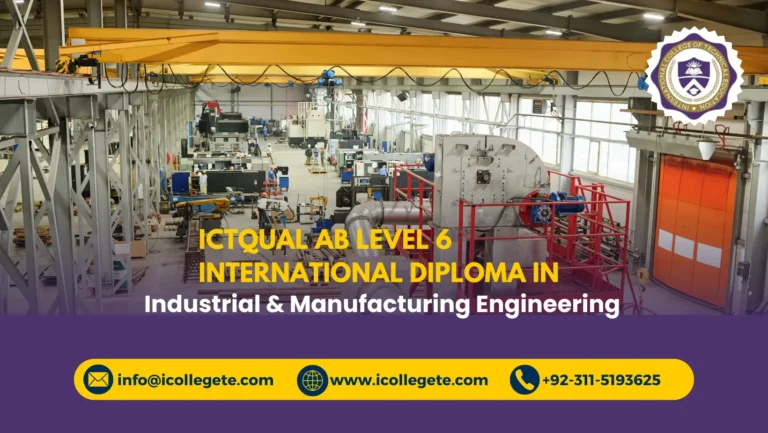
The ICTQual AB Level 6 International Diploma in Industrial Safety & Risk Management is a globally recognized qualification designed for professionals seeking advanced expertise in workplace safety, risk assessment, and industrial hazard management. This diploma equips learners with the knowledge and practical skills to identify, evaluate, and mitigate risks across diverse industrial environments, ensuring compliance with international safety standards.
By enrolling in this program, participants gain a competitive edge in industries such as oil & gas, construction, manufacturing, and chemical processing. The curriculum emphasizes proactive risk management strategies, accident prevention, and sustainable safety practices, making graduates highly valuable assets to organizations worldwide.
This Level 6 diploma not only enhances career prospects but also empowers professionals to take leadership roles in health & safety management, ensuring safer workplaces and improved operational efficiency.
Year 1 – Foundation of Industrial Safety & Risk Management
- Principles of Industrial Safety Management
- Introduction to Risk Management in Industrial Environments
- Occupational Health and Industrial Hygiene Fundamentals
- Workplace Hazards Identification and Control Measures
- Safety Legislation and Regulatory Compliance
- Fire Safety and Emergency Preparedness
- Manual Handling and Ergonomic Safety
- Communication and Reporting in Safety Management
- Introduction to Environmental Safety and Sustainability
- Electrical and Mechanical Safety Awareness
- Incident Investigation and Root Cause Analysis
- Professional Ethics and Responsibility in Safety Practice
Year 2 – Applied Industrial Safety & Risk Management
- Advanced Risk Assessment and Hazard Control
- Safety Performance Monitoring and Auditing
- Process Safety Management and Hazardous Substances
- Industrial Safety in Manufacturing and Heavy Industries
- Safety Management in Construction and Energy Sectors
- Occupational Diseases and Preventive Measures
- Behavioural Safety and Human Factors
- Safety Culture Development and Change Management
- Safety Technology and Digital Tools
- Emergency Response Planning and Crisis Management
- Legal and Regulatory Frameworks (International Perspective)
- Research Methods and Data Analysis for Safety Management
Year 3 – Strategic Leadership in Industrial Safety & Risk Management
- Strategic Safety Leadership and Governance
- Integrated Management Systems (ISO 45001, ISO 14001, ISO 9001)
- Business Risk Management and Sustainability
- Advanced Occupational Health & Wellbeing Strategies
- Safety in Large-Scale Industrial Projects
- Corporate Social Responsibility and Ethical Safety Practices
- International Standards and Global Safety Frameworks
- Digital Transformation and Emerging Trends in Safety
- Policy Development and Implementation in Safety Management
- Research Project / Dissertation in Industrial Safety
- Professional Development and Lifelong Learning
- Capstone Project: Practical Application of Safety Leadership
1. Understanding Core Principles of Industrial Safety
- Develop a solid understanding of industrial safety laws, standards, and best practices.
- Identify potential workplace hazards and assess their associated risks effectively.
- Learn to implement safety management systems aligned with ISO 45001 and OSHA.
- Understand the role of safety culture in reducing workplace incidents.
- Recognize the importance of continuous monitoring and safety audits.
- Apply risk assessment tools and techniques for hazard control.
- Develop strategic plans for improving overall workplace safety performance.
2. Risk Assessment and Mitigation Techniques
- Conduct comprehensive risk evaluations in various industrial environments.
- Utilize qualitative and quantitative risk analysis methodologies.
- Identify key control measures to prevent and minimize operational risks.
- Implement effective safety barriers and preventive maintenance systems.
- Develop contingency and emergency response plans.
- Apply root cause analysis for incident investigation and prevention.
- Promote a proactive approach to managing high-risk activities.
3. Occupational Health and Safety Management
- Understand occupational health requirements and regulatory frameworks.
- Learn to establish and maintain an effective health and safety policy.
- Develop programs for employee training and awareness in health and safety.
- Assess ergonomic, chemical, and physical risks in the workplace.
- Implement occupational health monitoring and wellness initiatives.
- Ensure compliance with national and international OHS legislation.
- Create a safe working culture through leadership and communication.
4. Emergency Preparedness and Response
- Design and implement emergency preparedness and evacuation plans.
- Develop response strategies for fires, chemical spills, and natural disasters.
- Coordinate with local authorities and emergency services.
- Conduct safety drills and simulations to test response readiness.
- Manage crisis communication and decision-making under pressure.
- Apply incident command system (ICS) principles effectively.
- Evaluate emergency management plans through post-incident analysis.
5. Environmental Risk and Sustainability Management
- Understand the link between industrial safety and environmental sustainability.
- Identify and mitigate environmental hazards associated with industrial operations.
- Apply environmental impact assessment (EIA) techniques.
- Develop waste management and pollution prevention strategies.
- Ensure compliance with environmental protection regulations.
- Promote sustainable resource use within industrial operations.
- Support corporate social responsibility (CSR) initiatives related to safety and environment.
6. Safety Leadership and Communication Skills
- Develop leadership skills for promoting a positive safety culture.
- Improve communication and reporting processes in safety management.
- Motivate and engage teams to comply with safety protocols.
- Understand the role of behavioral safety in influencing human performance.
- Lead safety meetings, inspections, and performance reviews effectively.
- Manage conflict resolution in health and safety contexts.
- Foster collaboration between departments to enhance safety standards.
7. Application of Technology in Safety and Risk Management
- Explore the use of digital tools and technologies in safety management systems.
- Utilize data analytics and AI for predictive risk assessment.
- Implement IoT-based monitoring systems for hazard detection.
- Apply safety management software for reporting and compliance tracking.
- Understand the integration of automation in improving industrial safety.
- Analyze case studies on technology-driven safety solutions.
- Stay updated on global innovations in safety and risk control mechanisms.
1. Advanced Understanding of Industrial Safety Systems
- Gain in-depth knowledge of safety engineering principles and industrial safety protocols.
- Understand international standards like ISO 45001 and OSHA regulations.
- Learn to identify and mitigate workplace hazards effectively.
- Develop expertise in conducting safety audits and risk assessments.
- Strengthen your ability to design and implement safety management systems.
- Enhance awareness of emerging technologies in industrial safety.
- Apply preventive and corrective measures to reduce accidents and operational risks.
2. Enhanced Risk Management Competence
- Acquire practical skills in risk analysis and control methodologies.
- Learn to assess potential threats to human life, environment, and assets.
- Understand the application of quantitative and qualitative risk management techniques.
- Develop effective strategies for hazard identification and mitigation.
- Build decision-making abilities for high-risk industrial environments.
- Gain proficiency in emergency planning and disaster response management.
- Learn to evaluate and improve the overall safety performance of organizations.
3. Global Career Advancement Opportunities
- Increase employability in local and international industries.
- Qualify for senior safety management and consultancy roles.
- Boost career growth in oil & gas, construction, manufacturing, and energy sectors.
- Attain recognition from global safety and risk management organizations.
- Enhance your credentials for supervisory and leadership roles.
- Gain the potential to work with multinational companies and government agencies.
- Build a strong portfolio for advanced studies or professional certifications.
4. Strong Practical and Analytical Skill Development
- Learn to apply theoretical knowledge to real-life industrial situations.
- Gain hands-on training in safety inspections, monitoring, and compliance checks.
- Improve analytical thinking for data-driven safety solutions.
- Enhance problem-solving skills in complex risk management scenarios.
- Acquire the ability to use modern tools and techniques for safety monitoring.
- Build leadership qualities for managing safety teams effectively.
- Strengthen teamwork and communication skills in diverse workplace settings.
5. Contribution to Workplace Safety and Sustainability
- Play a vital role in creating safe and sustainable work environments.
- Promote a culture of safety awareness within organizations.
- Reduce industrial accidents, injuries, and environmental hazards.
- Support compliance with environmental and occupational regulations.
- Contribute to corporate sustainability and social responsibility goals.
- Improve operational efficiency through proactive safety management.
- Help industries achieve long-term growth through safety excellence.
- 1. Health and Safety Professionals
- Individuals currently working in HSE (Health, Safety, and Environment) roles.
- Safety supervisors, officers, and coordinators aiming to enhance their expertise.
- Professionals seeking to upgrade their knowledge in modern industrial safety practices.
- Those wishing to gain international recognition in occupational safety.
- Safety auditors and consultants who want to strengthen their credentials.
- Practitioners aiming to meet ISO and OSHA safety management standards.
- Personnel responsible for implementing workplace safety systems.
- 2. Engineers and Technical Staff
- Engineers from fields such as mechanical, electrical, civil, or industrial engineering.
- Professionals working in manufacturing, energy, or oil and gas industries.
- Site engineers and supervisors overseeing high-risk industrial environments.
- Project engineers managing safety and compliance responsibilities.
- Technical officers involved in risk analysis or safety documentation.
- Maintenance engineers seeking safety management expertise.
- Industrial technicians aiming for career advancement into management roles.
- 3. Managers and Supervisors
- Mid-level managers responsible for operational safety oversight.
- Supervisors seeking to strengthen their leadership in workplace safety.
- Plant managers and production heads aiming to reduce industrial accidents.
- Risk managers responsible for implementing compliance systems.
- HSE coordinators managing safety audits and internal reviews.
- Departmental leaders wanting to build a safety-focused work culture.
- Professionals preparing for senior HSE management positions.
- 4. Graduates and Fresh Entrants
- Individuals with a background in science, engineering, or management.
- Fresh graduates aiming to enter the industrial safety and risk sector.
- Students seeking a professional qualification to boost employability.
- Individuals looking to gain specialized expertise in industrial safety.
- Those aspiring for international job opportunities in safety and risk management.
- Learners who wish to develop both technical and managerial safety skills.
- Career changers exploring opportunities in safety and environmental sectors.
- 5. Industry Consultants and Trainers
- Safety trainers, instructors, and consultants seeking global accreditation.
- Professionals who deliver corporate training in safety and risk control.
- Consultants working in the areas of industrial compliance and audits.
- Individuals interested in expanding their consultancy into international markets.
- Corporate safety advisors offering HSE improvement programs.
- Auditors aiming to enhance credibility in industrial safety compliance.
- Experts wishing to upgrade qualifications for advanced consultancy roles.
- 6. Government and Regulatory Professionals
- Officials working in labor, safety, or environmental regulatory bodies.
- Inspectors responsible for workplace safety enforcement and evaluation.
- Public sector employees overseeing industrial safety programs.
- Environmental health officers working on risk mitigation projects.
- Policy advisors focusing on occupational safety and compliance.
- Members of governmental safety committees and task forces.
- Professionals seeking to align national safety policies with global standards.
- 7. Entrepreneurs and Business Owners
- Owners of construction, manufacturing, or industrial companies.
- Entrepreneurs who manage operations with potential workplace risks.
- Business leaders aiming to establish effective HSE management systems.
- Facility owners wanting to ensure compliance with safety regulations.
- Employers who wish to reduce incidents and improve workforce safety.
- Decision-makers striving for ISO certification and safety excellence.
- Leaders committed to building a safe, sustainable business environment.