Diploma in Work Permit Receiver Course Pakistan
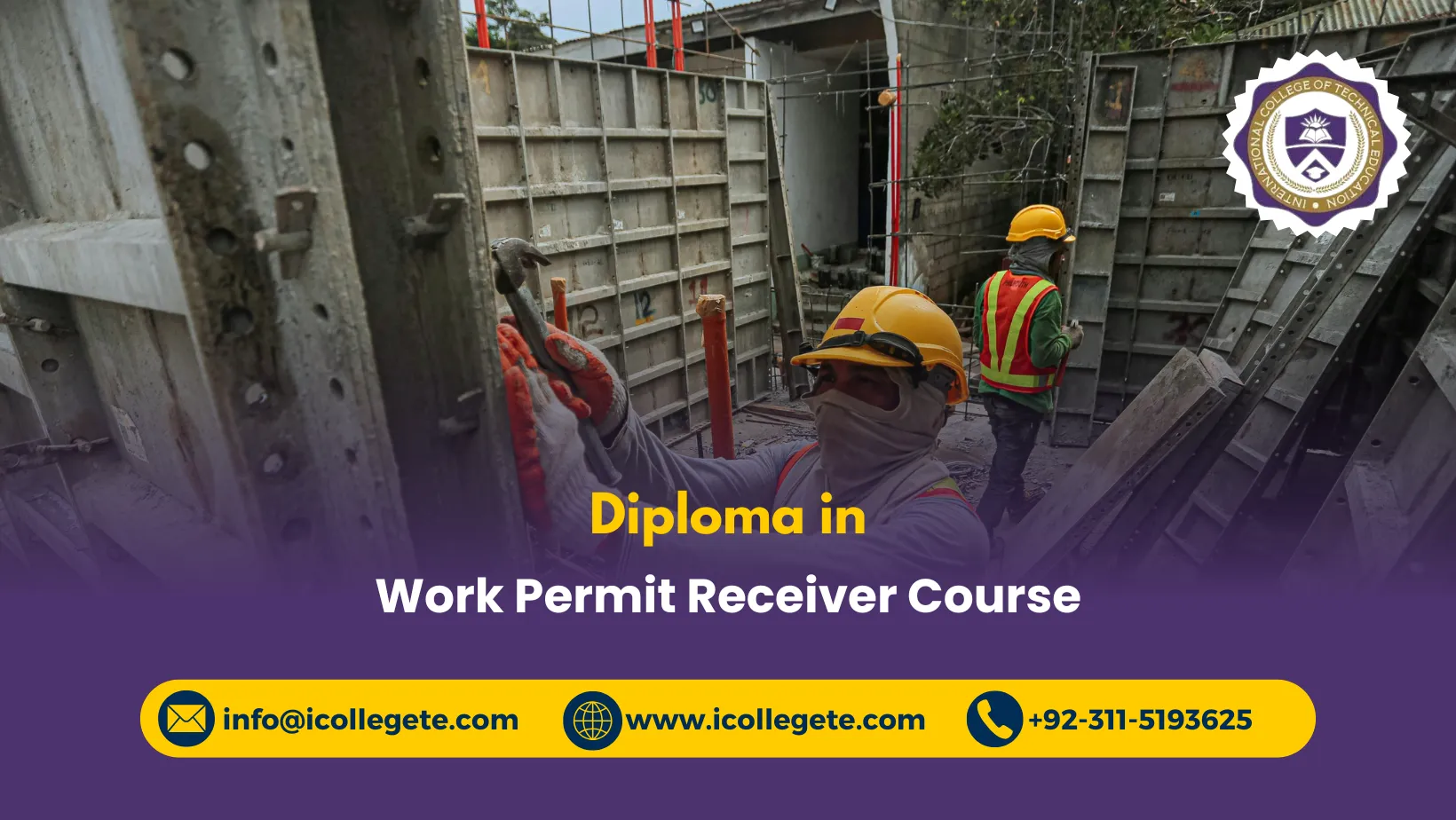
The Diploma in Work Permit Receiver Course in Pakistan is designed to prepare individuals for critical roles in industrial, construction, and engineering environments. Work Permit Receivers are responsible for ensuring safety compliance, coordinating with supervisors, and managing permits for high-risk activities such as electrical work, confined space entry, and hot work. This diploma provides learners with the knowledge and practical skills required to handle permits effectively, ensuring workplace safety and operational efficiency.
Course Overview
This course introduces participants to the fundamentals of work permit systems, safety regulations, and permit management procedures. Learners will gain insights into different types of permits, risk assessment techniques, and communication protocols between workers and supervisors. The program emphasizes practical training, enabling participants to apply their knowledge in real-world industrial settings. By the end of the course, learners will be capable of managing permits, ensuring compliance with safety standards, and contributing to safer work environments.
Entry Requirements
To ensure learners are prepared for the training, specific entry requirements must be met. These requirements help maintain the quality of learning and ensure participants can successfully complete the program.
- Age Requirements: Applicants must be at least 18 years old.
- Qualification Requirements: A minimum of matriculation (secondary school certificate) is required.
- Professional Experience: Prior work experience in industrial or construction environments is beneficial but not mandatory.
- Educational Background: Students with backgrounds in engineering, technical, or safety fields will find the course easier, though it is open to all.
- Language Proficiency: Basic understanding of English is required, as most permit documentation and safety guidelines are in English.
- Technical Access: Learners must have access to a computer or laptop with internet connectivity for online modules and assignments.
Course Study Units
- Introduction to Work Permit Systems
- Types of Work Permits (Hot Work, Cold Work, Electrical, Confined Space)
- Roles and Responsibilities of a Work Permit Receiver
- Risk Assessment and Hazard Identification
- Safety Regulations and Compliance Standards
- Permit Documentation and Record Keeping
- Communication and Coordination in Permit Systems
- Emergency Procedures and Incident Reporting
- Final Project and Practical Assessment
Course Learning Outcomes
By completing this diploma, learners will achieve practical skills aligned with the study units. These outcomes ensure participants are ready to apply their knowledge in professional settings.
Introduction to Work Permit Systems
- Understand the purpose and importance of work permits.
- Identify different permit categories and their applications.
- Recognize the role of permits in workplace safety.
Types of Work Permits
- Differentiate between hot work, cold work, electrical, and confined space permits.
- Apply correct procedures for issuing and receiving permits.
- Ensure compliance with permit-specific safety measures.
Roles and Responsibilities of a Work Permit Receiver
- Manage permits effectively in industrial environments.
- Coordinate with supervisors and workers for safe operations.
- Maintain accountability for permit-related activities.
Risk Assessment and Hazard Identification
- Conduct risk assessments for high-risk tasks.
- Identify potential hazards in different work environments.
- Apply preventive measures to minimize risks.
Permit Documentation and Communication
- Complete permit forms accurately and efficiently.
- Maintain proper records for audits and inspections.
- Communicate effectively with teams to ensure compliance.
Course Benefits
This diploma offers multiple benefits that extend beyond technical knowledge, preparing learners for professional success.
Career Opportunities
- Access to jobs in industrial and construction sectors.
- Opportunities in oil, gas, and energy industries.
- Roles in safety and compliance departments.
Skill Development
- Gain expertise in permit management systems.
- Learn risk assessment and hazard control techniques.
- Improve communication and coordination skills.
Industry Relevance
- Curriculum aligned with international safety standards.
- Exposure to real-world case studies and scenarios.
- Training in documentation and compliance practices.
Flexibility and Accessibility
- Online and offline learning options.
- Self-paced modules for convenience.
- Affordable fees compared to international programs.
Personal Growth
- Boost confidence in managing safety responsibilities.
- Develop leadership and accountability skills.
- Build a professional portfolio for career advancement.
Who Can Enroll in This Course
The diploma is open to a wide range of learners, making it accessible and inclusive.
Students
- Technical and engineering students.
- Learners seeking careers in safety and compliance.
- Those wanting to enhance academic knowledge with practical skills.
Professionals
- Employees in industrial and construction sectors.
- Supervisors and managers seeking safety training.
- Safety officers aiming to expand their expertise.
Entrepreneurs
- Business owners managing industrial operations.
- Contractors seeking compliance knowledge.
- Individuals aiming to establish safety consultancy services.
Career Changers
- People transitioning from non-technical fields.
- Individuals seeking stable careers in safety management.
- Those interested in industrial and construction industries.
Future Progression
Completing this diploma opens doors to advanced learning and career growth.
Advanced Safety Training
- Progress to specialized safety management courses.
- Learn advanced risk assessment techniques.
- Build expertise in occupational safety.
Industrial Management Programs
- Explore diplomas in industrial operations.
- Learn project and site management skills.
- Work on large-scale industrial projects.
Higher Education Opportunities
- Pursue bachelor’s programs in engineering or safety.
- Access international certifications in safety and compliance.
- Enroll in advanced diplomas for career specialization.
Freelancing and Consultancy
- Establish a freelance career in safety training.
- Offer consultancy services to industries.
- Build a business providing compliance solutions.
Leadership Roles
- Progress to supervisory and managerial positions.
- Lead safety teams in industrial environments.
- Contribute to organizational safety culture.
The Diploma in Work Permit Receiver Course in Pakistan provides a strong foundation for learners to enter the industrial and construction sectors with confidence. It not only teaches technical skills but also nurtures responsibility, communication, and risk management abilities. By covering essential topics such as permit systems, risk assessment, documentation, and emergency procedures, the course ensures participants are industry-ready. The entry requirements are minimal, making it accessible to students, professionals, and entrepreneurs alike.
Take the Next Step Toward World Work Permit Receiver Course- Enroll Now