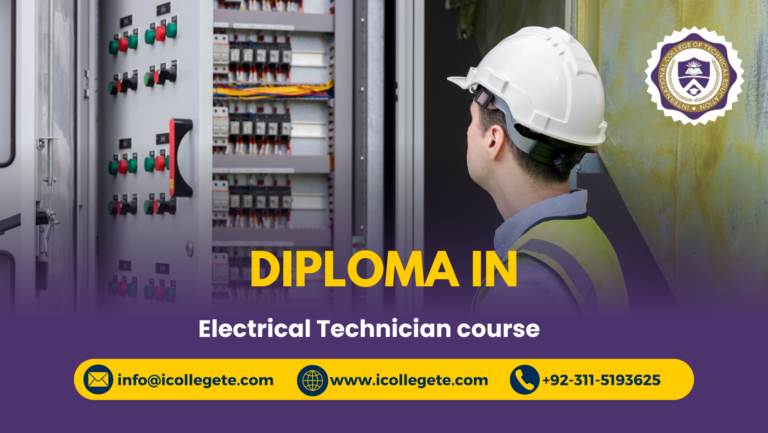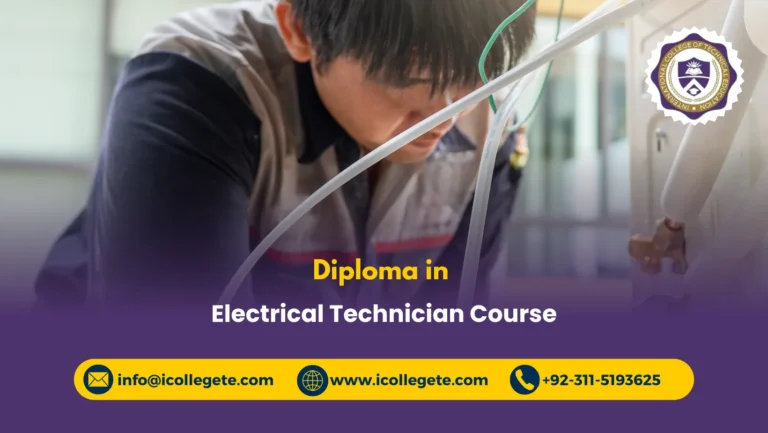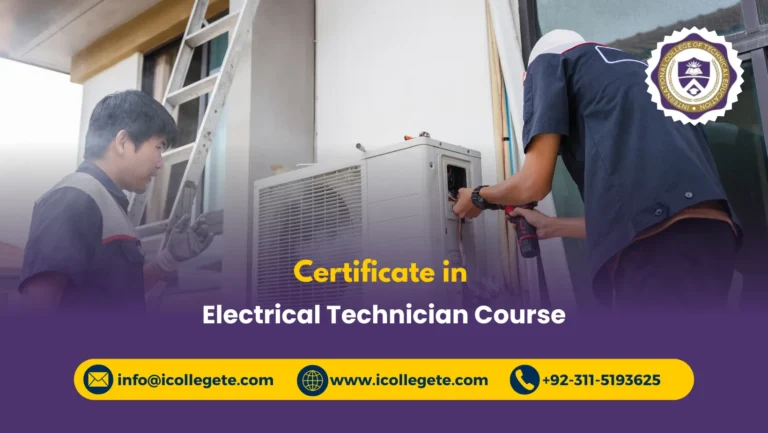
The Diploma in Electrical Technician is a career-focused training program designed to prepare learners for professional roles in electrical installation, maintenance, and repair across residential, commercial, and industrial sectors. With the increasing demand for skilled electrical technicians worldwide, this diploma provides both theoretical knowledge and practical expertise to meet industry standards.
Students gain a strong foundation in electrical wiring, circuit design, power distribution, motor controls, renewable energy systems, and troubleshooting techniques. The curriculum also emphasizes proficiency in reading electrical blueprints, applying safety codes, and using modern electrical tools and equipment. Hands-on training is a key component, ensuring learners can confidently perform real-world electrical tasks under professional guidance.
Completing this diploma opens diverse career opportunities in construction, manufacturing, energy, and facility management. As industries continue to rely on advanced electrical systems and sustainable energy solutions, graduates of this program are well-positioned for stable and rewarding careers in the global job market.
The Diploma in Electrical Technician consists of several core units, each focused on different aspects of electrical work. Key study units include:
- Introduction to Electrical Systems
This foundational unit introduces students to the basic principles of electrical systems, including the types of circuits, components, and electrical terminology. Students will gain an understanding of the essential concepts, such as voltage, current, resistance, and power. - Electrical Circuit Design and Installation
Students will learn how to design, plan, and install electrical circuits. This unit focuses on residential, commercial, and industrial wiring, and covers aspects such as load calculations, circuit protection, and energy efficiency. - Electrical Wiring and Components
In this unit, students will become familiar with the different types of wiring, cables, and electrical components used in installations. They will learn how to properly wire electrical systems, including switches, outlets, and lighting fixtures. - Power Generation and Distribution Systems
This unit focuses on power generation and distribution, providing students with an understanding of how electricity is generated, transmitted, and distributed to various facilities. Topics covered include transformers, circuit breakers, fuses, and power substations. - Electrical Safety and Codes
Electrical work can be dangerous, which is why safety is a top priority. This unit teaches students how to identify electrical hazards, use protective gear, and follow safety protocols. Additionally, students will learn about national and international electrical codes and standards that govern electrical installations. - Testing and Troubleshooting Electrical Systems
Students will gain the skills necessary to troubleshoot and test electrical systems. This unit covers diagnostic techniques, tools, and equipment used to identify faults in electrical circuits, wiring, and devices. - Control Systems and Automation
As industries become more automated, electrical technicians need to understand control systems and automation. This unit covers the basics of electrical control systems, including programmable logic controllers (PLCs), sensors, and actuators, which are used to manage industrial processes. - Motors and Electrical Machines
This unit provides in-depth knowledge about electric motors and other electrical machines. Students will learn how to install, maintain, and troubleshoot motors used in industrial machinery, HVAC systems, and other applications. - Electrical Maintenance and Repairs
A key skill for any electrical technician is the ability to maintain and repair electrical systems. This unit teaches students how to perform routine maintenance tasks, identify issues, and carry out repairs to ensure systems function efficiently and safely. - Project Work and Industrial Training
The final unit typically involves project work or industrial training, where students apply the skills and knowledge they have learned throughout the course. This may include internships or practical assignments with companies in the electrical industry, allowing students to gain hands-on experience.
Upon completing the Diploma in Electrical Technician, students will be able to:
- Design and Install Electrical Systems: Understand and apply principles of electrical design to create safe and efficient electrical systems in residential, commercial, and industrial settings.
- Perform Electrical Troubleshooting and Repairs: Diagnose and resolve electrical faults in systems and equipment, ensuring minimal downtime and optimal performance.
- Follow Electrical Safety Protocols: Work safely by identifying electrical hazards, using protective equipment, and adhering to safety standards.
- Understand Electrical Power Systems: Gain a comprehensive understanding of power generation, transmission, and distribution systems, including transformers and circuit protection.
- Work with Electrical Control Systems: Install and maintain control systems for automated processes, including PLCs, sensors, and actuators.
- Maintain and Repair Electrical Equipment: Perform routine maintenance and repair tasks for electrical machines, motors, and other equipment.
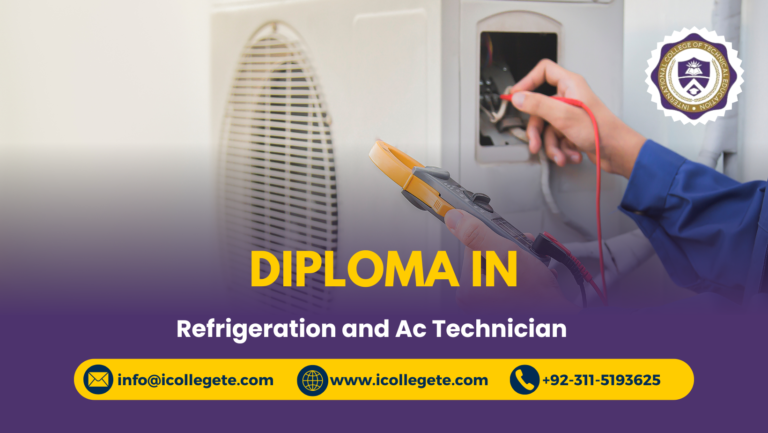
- Use Electrical Tools and Testing Equipment: Gain proficiency in using electrical tools, such as multimeters, circuit testers, and diagnostic devices, to ensure the proper functioning of electrical systems.
- High Demand for Skilled Technicians:
The demand for skilled electrical technicians is on the rise, particularly in industries like construction, manufacturing, and energy. Graduates will have access to a wide range of job opportunities in various sectors. - Comprehensive Training:
The course offers a well-rounded education, combining theoretical knowledge with practical skills. Students will be prepared to handle the installation, maintenance, troubleshooting, and repair of electrical systems and equipment. - Industry-Recognized Qualification:
Graduates will receive a qualification that is recognized by employers in the electrical industry, enhancing their employability and career prospects. - Career Flexibility and Advancement:
The skills gained in this course open doors to various career paths, including residential and commercial electrical work, industrial systems maintenance, and specialized roles in electrical automation. With experience, graduates can advance into supervisory or managerial roles. - Hands-On Experience:
The practical training and project work included in the course will allow students to apply their knowledge in real-world scenarios, building confidence and expertise in the electrical field. - Opportunities for Self-Employment:
Many electrical technicians choose to work independently, offering services to homeowners, businesses, or industries. This course provides the skills necessary to start a successful electrical contracting business. - Exposure to Emerging Technologies:
With the rise of smart buildings, renewable energy, and automation, the course covers the latest technologies, ensuring that graduates are ready to work with cutting-edge electrical systems.
The Diploma in Electrical Technician is suitable for:
- Aspiring Electrical Technicians: Individuals who want to start a career as an electrical technician and gain formal training in electrical systems.
- Tradespeople Seeking to Specialize: Those already working in related fields (e.g., construction or mechanical work) and looking to specialize in electrical systems and technologies.
- Career Changers: Individuals who are interested in transitioning into the electrical industry and seeking a well-structured, in-demand skill set.
- Students Interested in Technical Careers: High school graduates or individuals looking for a hands-on, practical career that offers stability and opportunities for growth.
- Entrepreneurs and Self-Employed Individuals: Those who want to start their own electrical business or work independently as electrical contractors.